Kananaskis sees loads of hikers, beginner and experienced alike, make use of its trails each year. However, despite the area’s popularity during the warmer months, its trails become semi-vacant as winter descends upon us. However, these same trails become a scene straight from a Christmas card, making for a wonderfully scenic hike.
Here are some tips on how to continue accessing the many stunning trails in Kananaskis come winter time, and how to stay safe and warm doing so.
Check Forecast and Travel Conditions
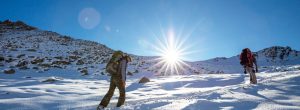
A crucial aspect of preparing for a winter hike is checking the weather and conditions for when and where you’ll be hiking. It’s important to not only check the weather report, but also that of road and trail conditions. The government of Alberta has a comprehensive trail report system on their website, which can be used to check on specific trails, or on Kananaskis Valley in general. It notes if a trail is open, closed, or any warnings that may be relevant for visitors. Additionally, you can check road conditions using 511 Alberta, filtering by weather conditions and even construction. Checking these reports can help you anticipate the type of gear you will need and prepare for any special circumstances.
Be Avalanche Safe
While checking the trail and weather reports can give you a heads up to any conditions that may lead to an avalanche is a great start, preparing for such events is what really makes a difference if you do encounter one. Utilize resources like Avalanche Canada, and go through their materials to familiarize yourself with the warning signs of an avalanche. This can help you recognise the type of terrain that could lead to an avalanche and know how to react in an emergency. That being said, you do not need to assume the presence of snow means there is avalanche risk. While they do happen, the odds of triggering one are slim.
Don’t Let Electronics Freeze
Hikes in Kananaskis are known for their insane scrambles and views, but there are plenty that are easier options for families! See our blog for some options on Top 5 Kananaskis Family Hikes!
Keep a Car Kit
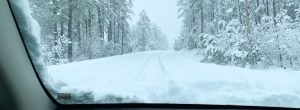
Many of the potential hazards that come alongside winter hiking are found on the trails themselves. But to reach those trails, we find ourselves driving relatively long distances, on highways, and sometimes even on roads that are a bit off-roady even during the summer – let alone when they’re not ploughed. Keep an emergency kit in your car to ensure you’re never left hanging entirely when it could take a tow truck, or even emergency services, significantly longer than normal to reach you.
Some of the most important items to keep in a winter car kit are: battery booster cables, a flashlight and batteries, a candle and matches, a shovel, an ice scraper, and a blanket. When driving in the winter months, keep in mind that you may need to stay warm in your vehicle for an extended period of time without power or heat. And of course, know when it’s time to rethink your plans or find a safer route.
Invest in Good Equipment
During the summer months, there is less concern when it comes to footwear not having appropriate traction or padding. Hiking in the warmer months allows you to utilize different natural materials for traction by alternating between grass, rock, and dirt, and even by utilising tree trunks. However, come winter, there are two main materials you will encounter on the trails: snow and ice.
This makes it imperative to have the appropriate gear to traverse slippery slopes and keep you going. Some of the most important gear to prioritize getting good versions of are clothing, hiking boots, and poles. You can remove the booties from hiking poles and fit them with spikes instead, which will give you more stability on winter terrain.
Know Your Limits
It is always important to recognize and respect your limits, especially when exploring nature during the winter months. Prepare yourself and check out resources like our Winter Hiking Tips blog. Getting up to the summit is optional – but getting down is mandatory. And with winter conditions, getting down can sometimes be just as much of a challenge as up. Heights can also be a challenge on some hikes, and pictures don’t always prepare you for how a summit or scramble might feel in person. It is better to turn back than get stranded or stuck in an otherwise unsafe position. Be honest about your experience and fitness levels, and make sure to plan not only your equipment but a schedule you can follow that sets a limit on when you’ll be back.
Looking for things to do in Kananaskis this summer? Sign up for insider tips, itineraries, news, and deals!

Bundle, Bundle and Bundle More
There is a saying among outdoor enthusiasts during the winter, and it is to: “dress like an onion.” Start with your main, warmest layer – often something made of wool or another hearty material. Next, you will need a lighter layer than can be removed and carried once you begin to warm up from activity. Lastly, you need what we like to call a moisture layer: a third layer consisting of materials that are wind, snow, and otherwise waterproof. It can also be a good idea to throw in a spare pair of gloves and/or socks, as wet feet can quickly turn frigid, and are impossible to warm up without dry materials.
Respect the Sunset
Price
$$$
Best For
All-Ages
Time
25-55 minutes
Another part of winter hiking that is important to remember, especially when considering the creation of a schedule. The sun sets earlier during the winter months, and quickly. Visibility can quickly turn once the sun is down, and that issue can be exacerbated by slippery trails and sliding steps. Add a headlight or flashlight with batteries to your bag just in case, and ensure that you are aware of the time throughout your hike, and when the sun is scheduled to set.
Bring Extra Food
Price
$
Best For
All-Ages
Time
Overnight
Your body metabolizes calories faster in the cold as it works to keep your body temperature up. Therefore, it takes more food to keep you going in the wintertime than it does in warmer weather. We all know how hungry we can get after exercising, so it is important to pack enough food to keep your energy levels high. Certain foods like peanut butter, jerky, trail mix, and cured meats are hiking staples due to their compact but calorie-dense nature.
Make Use of Kananaskis’ Winter Wonderland!
Price
$$$
Best For
All-Ages
Time
Overnight
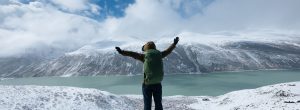
Last of all, enjoy the snow! We are lucky enough to have access to sprawling alpine wonders each and every year. Kananaskis Valley becomes full of pristine, untouched snowy trails and fields just ready to be broken in with a pair of snowshoes or cross-country skis, or even hiking boots. Make use of the beauty in our backyard, and plan an all-Canadian adventure.
Winter in Kananaskis is meant to be explored and can be enjoyed by those of all skill levels, experiences, and cold tolerances. Come visit this wonderland this winter, and experience what it feels like to walk in a postcard.
